How “Efficiency” Became the Most Feared Word for Workers in 2025
One word is quietly shaping job conversations across the U.S. this year, and it’s not “inflation” or “recession.” That word is “efficiency.” From Washington, DC, to Silicon Valley, it has become both a rallying cry for leadership and a red flag for employees reading company communications.
In the 2025 labor market, efficiency has become a key factor in decisions about hiring, layoffs, and the direction of work itself. Executives present it as a strategic necessity. Workers often read it as a cue to prepare for possible upheaval.
Why “Efficiency” Carries So Much Weight
For leaders, efficiency signals doing more with fewer resources—leveraging AI, streamlining teams, and cutting costs—amid pressures like rising interest rates, ongoing inflation, and tariffs.
For employees, however, it’s a trigger word. A casual mention in a memo can prompt worry about job security and potential role reductions, even if no action has yet been announced.
Several major companies, including Dell and Verizon, announced layoffs as part of broader cost-saving efforts. Hiring freezes spread across white-collar roles, especially in office-based and corporate functions.
Bureaucracy Falls Out of Favor
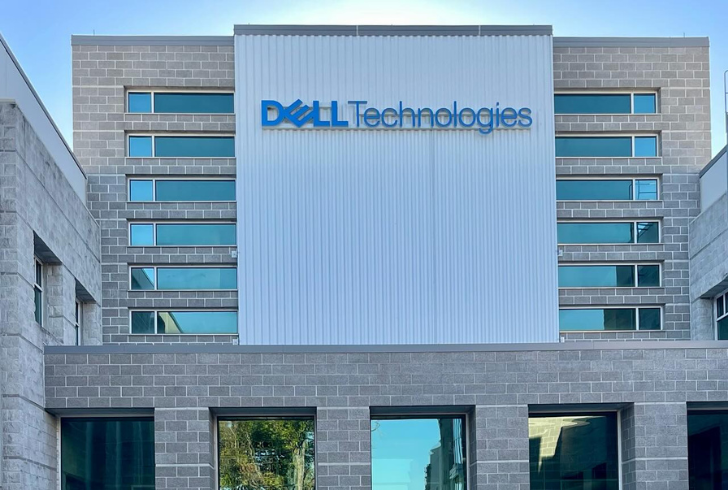
Instagram | thatsjustnick | Major firms like Dell and Verizon announce layoffs and corporate hiring freezes.
A leaner structure has become fashionable. Large organizations now prioritize flatter hierarchies and fewer management layers, driven by the belief that smaller teams and AI tools can deliver the same output at a lower cost.
This shift has hit early-career professionals and middle managers the hardest. Many of these roles expanded rapidly during the pandemic hiring surge and are now among the first to be trimmed.
Charley Kim, a worker in his twenties who eventually landed a Big Tech role, described the imbalance clearly:
“There are just so many people applying to the jobs, and there’s only a limited number of jobs out there. Getting an interview is probably harder than the interviews themselves.”
AI’s Quiet Role in Job Insecurity
Chatbots and generative AI tools are no longer side projects; they are now integral to the business. They now handle tasks once assigned to humans, including coding, writing, and basic administrative work. While leaders highlight productivity gains, employees see shrinking opportunities.
Over the past year, Business Insider has spoken with job seekers, HR professionals, executives, and workers across various age groups. Reactions varied:
Some workers welcomed the chance to learn new skills.
Others felt the bar kept moving faster than they could adjust.
Jaqueline Kline, a recent college graduate, applied to hundreds of jobs without success.
“I had this degree — and that’s a privilege, not everyone has that opportunity — but it didn’t matter,” she said. “My GPA didn’t matter. None of it mattered if I didn’t have a job.”
The “Great Flattening” in Corporate America
High-profile CEOs helped normalize the push for efficiency. Meta’s Mark Zuckerberg, Amazon’s Andy Jassy, and Google’s Sundar Pichai promoted what many now call the “Great Flattening,” a move to simplify org charts and reduce management layers.
The logic is straightforward: fewer people, heavier AI use, and faster decision-making should lead to higher profits. The result has been fewer openings for new graduates and limited career advancement opportunities for existing employees.
This pattern extends well beyond tech. Airlines, financial firms, retailers, and media companies also cut thousands of office-based roles this year.
What the Data Shows About Worker Confidence
Labor data reflects this unease. Long-term unemployment is rising, while quit rates continue to fall. Companies are hiring fewer workers, and those who still have jobs are reluctant to leave them.
Job growth remains concentrated in healthcare and construction, leaving fewer options for college-educated office workers. Employee confidence surveys indicate a growing concern about job stability.
Isabella Clemmens summed up the mood around graduation season:
“My dream job might exist. But I’m one of 400 people applying for it.”
Efficiency Reaches the Federal Workforce
The efficiency push didn’t stop with private companies. After President Donald Trump took office in January, the Elon Musk-led Department of Government Efficiency, known as DOGE, began cutting thousands of federal jobs.
According to job reports, about 265,000 government employees left their roles this year. These cuts continued even after Musk stepped away, DOGE disbanded, and courts blocked some of the firings.

Instagram | vtbcasts | Under President Trump, Musk’s Department of Government Efficiency (DOGE) started massive federal layoffs.
Musk amplified the message with a widely discussed “5 things” email, asking federal workers to regularly list their duties and productivity. He warned that failure to respond would be treated as a resignation. The move followed Trump’s directive to become more aggressive in shrinking the federal workforce.
Are the Efficiency Cuts Working?
The long-term payoff remains unclear. Corporate earnings calls still reflect caution, with executives frequently citing tariffs, uncertainty, and inflation. Mentions of a potential AI bubble appear alongside promises of leaner operations.
A McKinsey report published in June found that nearly 80% of companies now use generative AI. Most reported no meaningful impact on their bottom line so far.
Even Musk described DOGE’s results as only “a little bit” successful and said he would not repeat the experiment.
Workers Face a Tougher Reality
For job seekers, the process feels anything but efficient. Application volumes are high, response rates are low, and timelines stretch on for months.
Abbey Owens, who searched for work last summer, described how expectations shifted during the hunt:
“What I look for in a job has gotten so much broader. It was very specific originally, and it’s just really grown into: ‘I’ll accept almost anything.’”
The efficiency push has reshaped how organizations think about people, productivity, and profit. Leaders see a path to savings and shareholder value. Workers see shrinking safety nets and tougher competition for fewer roles.
As companies and governments continue to test more efficient models, one reality stands out: efficiency may look good on a balance sheet, but its human cost remains an open question.