How “The Rocky Horror Picture Show” Predicted Meme Culture
Long before social media platforms made memes a daily part of online culture, people were already creating, sharing, and reshaping cultural moments.
“The Rocky Horror Picture Show” became one of the earliest examples of how a piece of entertainment could move beyond its original purpose and become a shared experience. The 1975 musical film did not simply gain fans; it inspired rituals, inside jokes, audience participation, and a worldwide community that worked much like modern internet memes.
The internet made memes faster and easier to spread, but the basic idea behind them existed for decades. People have always taken familiar images, phrases, and ideas, then changed them to create new meanings.
“The Rocky Horror Picture Show” showed how audiences could become active participants in a cultural phenomenon long before digital platforms existed.
The Meaning and History of Memes
The word “meme” is often connected with internet humor, but its original meaning goes much deeper. Before online platforms, people shared cultural ideas through books, art, movies, music, and everyday conversations.
Early forms of memes appeared in printed materials. During the 18th century, illustrated political cartoons became popular because they combined images with text to deliver jokes, criticism, or social commentary. Publications such as “The New Yorker” and “The Saturday Evening Post” later developed the single-panel cartoon format, creating a style where one image could communicate a complete idea.
These early examples shared some qualities with modern memes, but they lacked one important feature: audience participation. Modern memes often change as people reuse and modify them. The meaning grows as more people add their own interpretations.
The term “meme” was introduced by evolutionary biologist Richard Dawkins in his 1976 book “The Selfish Gene.” Dawkins compared cultural information to genetic evolution. He described memes as ideas that travel between people, adapting and changing as they spread through society.
When Fans Became Part of the Show
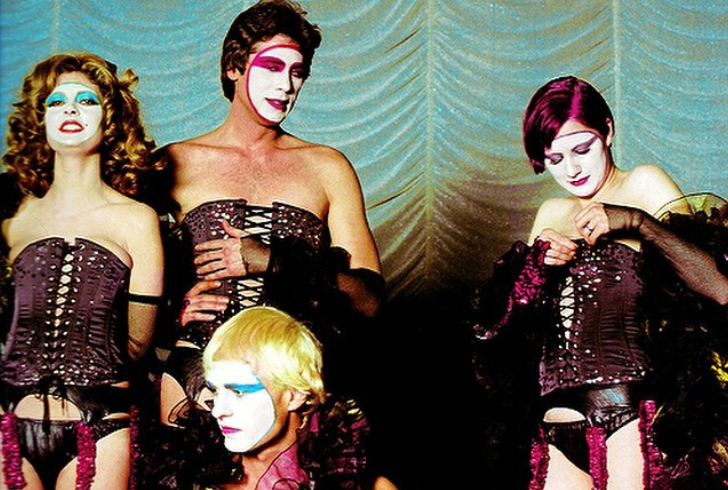
Instagram | the_rocky_horror_picture_show | “The Rocky Horror Picture Show” transformed from a modest 1975 musical comedy into a distinct cultural icon.
Around the same period that Dawkins introduced the word “meme,” “The Rocky Horror Picture Show” was developing a unique cultural identity. The low-budget musical comedy, directed by Jim Sharman and based on the stage production created by Richard O’Brien, first premiered in 1975.
The film combined science fiction, horror elements, rock music, and themes of individuality and self-expression. Although it received limited attention when it first arrived in theaters, it found a devoted audience through midnight screenings, especially at The Waverly Theater in New York City.
What happened next changed the relationship between movies and audiences. Fans did not simply watch the film. They interacted with it.
Viewers began dressing as characters, repeating famous lines, shouting responses at the screen, throwing props like toast, and performing alongside the movie. The audience added new layers of humor and tradition that were not part of the original film.
This process closely matched how internet memes work today. A person creates something, others adopt it, modify it, and share their own version. The original idea remains recognizable, but the community adds new meaning.
Audience Participation Created a Living Meme
Traditional media usually separates creators and viewers. A movie plays on the screen, and the audience watches quietly. “The Rocky Horror Picture Show” challenged that idea by allowing fans to become part of the performance.
The audience’s comments became a form of live commentary. The shouted responses worked almost like the captions added to images in modern memes. They changed how people experienced the original material.
Over time, these reactions became organized traditions. Fans in different cities repeated the same jokes, lines, and actions during screenings. What started as spontaneous reactions became a shared cultural language.
This is one reason “The Rocky Horror Picture Show” remains significant. The film became more than entertainment; it became a community activity built around participation and creativity.
Memes and the Power of Shared Identity
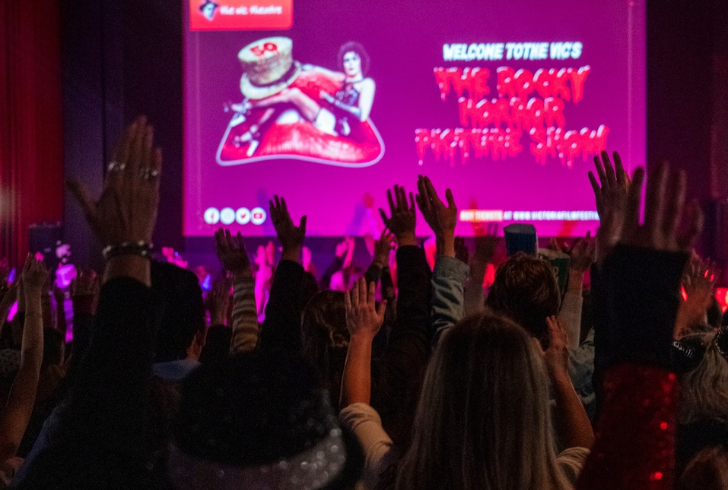
Instagram | @victoriafilmfest | “The Rocky Horror Picture Show” created a thriving fan culture driven by playful initiation rituals long before social media.
Modern memes often create a feeling of belonging. Understanding a specific joke or reference can signal that someone is part of a particular group or online community.
“The Rocky Horror Picture Show” created a similar connection decades before social media. Fans who attended screenings became part of a unique group with its own customs and traditions.
New viewers, often called “virgins” within the Rocky Horror community, were introduced through special initiation activities. Some screenings included playful traditions where newcomers participated in events designed to welcome them into the fan culture.
These rituals show how communities form around shared references. A meme is not only about humor; it is also about recognition, participation, and connection.
The Internet Did Not Create Memes
The internet changed the speed and scale of cultural sharing, but it did not create the concept of memes. People were already exchanging ideas, jokes, and traditions through movies, music, newspapers, and personal interactions.
“The Rocky Horror Picture Show” demonstrated that audiences naturally reshape the things they enjoy. Fans took a movie and built something new around it through creativity and collective participation.
Richard Dawkins created the term “meme” to describe how cultural ideas spread and evolve. The popularity of “The Rocky Horror Picture Show” shows that this process was already happening in real life. The film became a powerful example of how people can take an idea, add their own voice, and pass it along to others.
“The Rocky Horror Picture Show” predicted many features of modern internet meme culture before the internet became part of everyday life. Its audience-driven traditions, shared jokes, and evolving fan practices reflected the same pattern seen in digital memes today. The film proved that cultural ideas grow when people interact with them, reshape them, and make them their own.