Medicare GLP-1 Weight Loss Coverage Delayed as New Policy Update Emerges
GLP-1 medications continue to see strong demand across the United States, especially for weight management. Yet access remains uneven, particularly for Medicare beneficiaries who often find coverage limited to cases involving medical conditions such as type 2 diabetes.
A recent policy update has reshaped expectations around broader access, delaying one federal initiative while introducing a temporary alternative pathway for coverage.
BALANCE Model Put on Hold
A major development centered on the proposed Better Approaches to Lifestyle and Nutrition for Comprehensive hEalth (BALANCE) model, designed to expand GLP-1 coverage for weight loss under Medicare.
The plan originally aimed to begin in January 2027, giving Medicare Part D sponsors the option to include these medications for weight loss treatment.
That direction has now changed. The BALANCE model has been delayed indefinitely, with no updated launch timeline announced. As a result, the anticipated expansion of Medicare-supported GLP-1 access remains uncertain, leaving existing coverage rules in place for now.
A separate pathway has emerged through the Medicare GLP-1 Bridge program, scheduled to begin in July 2026. This program will allow Medicare beneficiaries to receive GLP-1 medications for weight loss coverage when specific conditions are met.
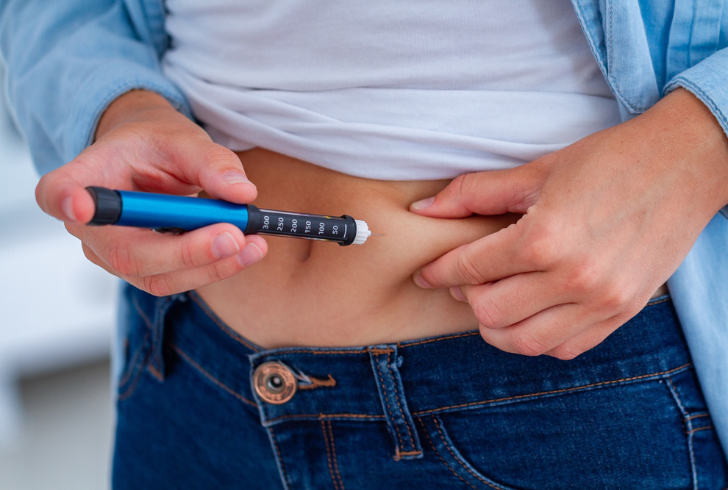
Instagram | apureherb | A new Medicare bridge program launching July 2026 offers conditional weight-loss drug coverage.
Coverage will require a healthcare provider to submit a prior authorization request along with a prescription for a medication approved under the program guidelines. While initially intended as a short-term measure ending in the same year it launched, the program has now been extended through 2027.
Any extension beyond that point has not been defined.
Cost Impact and Coverage Limitations
Unlike standard Medicare Part D coverage, the GLP-1 Bridge program operates outside typical plan structures. This means spending on eligible weight loss medications will not count toward Medicare Part D deductibles or out-of-pocket maximums. For many beneficiaries, this separation could increase overall healthcare spending during retirement.
For clarification on eligibility or program details, the Centers for Medicare & Medicaid Services (CMS) remains the primary source of official guidance.
The current policy landscape places Medicare beneficiaries in a transitional phase. While the BALANCE model remains delayed without a set timeline, the Bridge program introduces a limited but structured path to GLP-1 access starting in 2026, with coverage rules and financial implications that may shape long-term healthcare planning decisions.