Medicare Keeps GLP-1 Weight-Loss Drugs Affordable—But Not for Long
Access to popular weight-loss medications is shifting for older Americans, and the latest update brings both relief and a few limitations. Medicare has paused a planned program that would have required insurance providers to cover GLP-1 drugs such as Wegovy and Zepbound.
Even so, coverage isn’t disappearing. A temporary solution is now in place, offering continued access at a controlled cost.
The Centers for Medicare & Medicaid Services (CMS) confirmed that a bridge program will run from July 1 through December 31, 2027. This approach ensures that Medicare enrollees can still receive GLP-1 medications without waiting for a permanent policy rollout.
These drugs, widely used for weight management, remain in high demand due to their clinical effectiveness.
What the Bridge Program Means
Under this temporary setup, Medicare beneficiaries will be able to access GLP-1 drugs at prices negotiated through the “most favored nation” agreements introduced during President Donald Trump’s administration. These agreements involve major pharmaceutical companies Eli Lilly and Novo Nordisk.
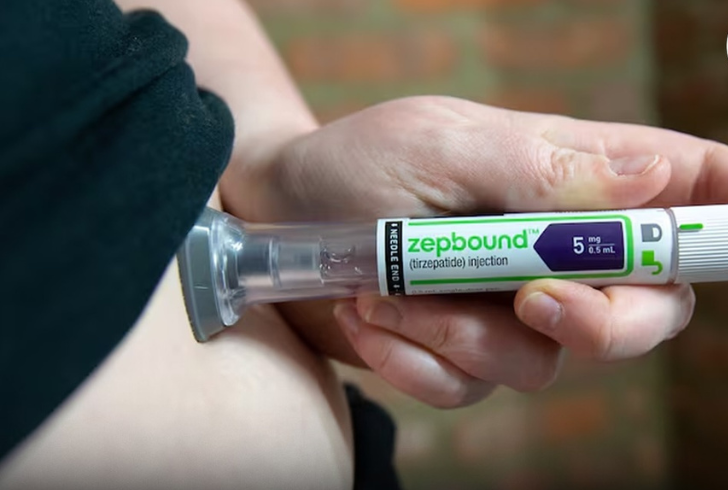
Instagram | pw_meded | The Bridge Program grants Medicare access to GLP-1s via negotiated “most favored nation” pricing.
Patients will pay a $50 monthly copay for medications such as Zepbound and Wegovy. This pricing matches what had been proposed under the original BALANCE (Better Approaches to Lifestyle and Nutrition for Comprehensive Health) program, maintaining affordability despite the program’s delay.
CMS clarified that the drugs will be available “outside of the Medicare Part D benefit coverage and payment flow.” This distinction matters because it allows access without requiring full integration into existing prescription drug plans.
Why the Original Plan Was Delayed
The BALANCE program—short for Better Approaches to Lifestyle and Nutrition for Comprehensive Health—was introduced in late 2025. It aimed to expand access to obesity treatments while managing costs. However, participation from insurers remained voluntary, and many major players expressed hesitation.
CVS Health, the parent company of Aetna, chose not to join. UnitedHealth Group also raised concerns during an earnings call on April 21, pointing to “notable challenges and outstanding questions” surrounding the program. These concerns ultimately slowed implementation.
CMS had given insurers until April 20 to commit. When participation fell short, the agency pivoted to the bridge solution to avoid disruption in patient access.
Industry Response and Market Impact
Pharmaceutical companies responded positively to the temporary plan. A spokesperson for Eli Lilly stated that the company “advocates the long-term vision of the BALANCE model” but acknowledged that the bridge program will help reach patients who need these treatments now.
Novo Nordisk echoed similar support, noting ongoing efforts to secure long-term access for seniors while backing the interim approach.
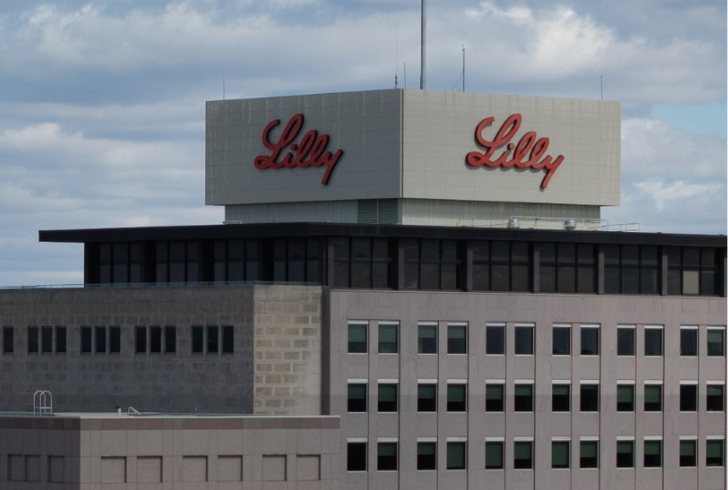
Instagram | geneonlineus | Eli Lilly and Novo Nordisk favor the bridge program for its immediate benefit to patients.
From a market perspective, the extension through 2027 reduces immediate uncertainty. Analysts suggest it stabilizes demand in the short term. However, questions remain about how and when these drugs will become a permanent part of Medicare coverage.
J.P. Morgan analyst Chris Schott noted, “Once this obesity benefit is established, we believe it will be practically and politically difficult to roll back as we look toward 2028 and beyond.” That statement reflects growing expectations that broader coverage may eventually become standard.
While Medicare adjusts its strategy, the Medicaid portion of the BALANCE program is still moving forward. States can apply to participate through July 31. Since Medicaid programs are managed at the state level under federal guidance, this path allows for more flexibility in adoption.
Medicare’s bridge program offers a practical workaround while long-term decisions take shape. It keeps GLP-1 medications accessible and affordable, even as policy debates continue behind the scenes.
The temporary nature of the program leaves some uncertainty, yet it also signals a strong push toward making obesity treatments more widely available in the years ahead.