Nike Stock Drops But Executives Remain Confident in a Turnaround
Nike faces a rocky path as CEO Elliott Hill pushes ahead with a turnaround strategy, even while investor confidence wavers.
On Wednesday, shares plunged over 15%, marking the second-worst trading day in the company’s history, according to research from Ferguson Wellman Capital Management. The stock closed below $45, over 70% below its 2021 peak.
The decline followed a mixed earnings report released Tuesday. Nike beat analyst expectations for sales and earnings, yet its ongoing struggles in China and a cautious sales forecast disappointed investors.
Thus, the stock was downgraded by Bank of America, Goldman Sachs, and J.P. Morgan, while analyst Laurent Vasilescu of BNP Paribas referred to Nike as a “once loved star that in fact may be setting for good.”
Leadership Stays Committed
Elliot Hill acknowledged that the turnaround is slower than anticipated, yet he remains optimistic. The CEO announced an investor day this fall, signaling confidence in upcoming product launches.
Similarly, Chief Financial Officer Matt Friend revealed that Nike will resume issuing full-year sales and profit forecasts, highlighting expectations for more stable financial performance.
Nike paused annual outlooks shortly before Hill assumed leadership in October 2024, aiming to allow the new strategy to take shape.
Under former CEO John Donahoe, the company relied heavily on retro sneakers such as Air Jordans, Air Force 1s, and Dunks, while focusing on direct-to-consumer sales rather than partnerships with retail chains like Foot Locker or Dick’s Sporting Goods. Donahoe also shifted the company’s approach to create general sports apparel rather than sport-specific products.
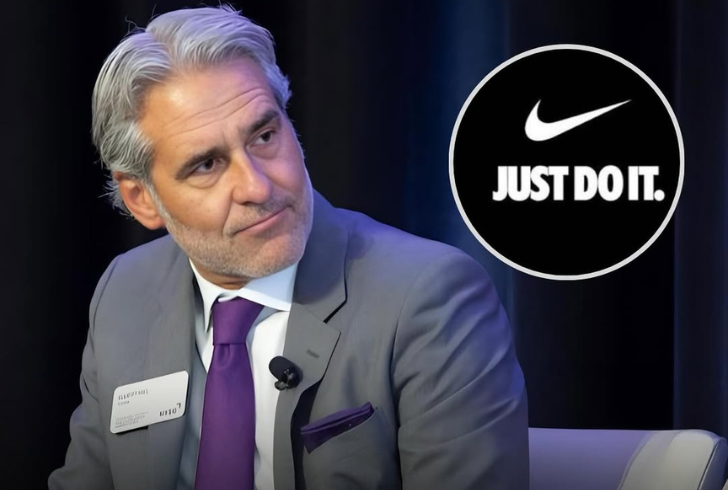
Instagram | @kaizenexecutive | Nike’s leadership continues to support the turnaround plan and expects new products and forecasts to rebuild investor confidence.
Tom Nikic, senior research analyst at Needham & Co., criticized the prior strategy, stating, “It’s clear the previous leadership misjudged the sneaker market. Product development, wholesale relationships, and customer preferences were all overlooked.”
China remains a persistent obstacle for Nike, representing its third-largest market. Fiscal-year sales in the region dropped 31% to $1.6 billion, and the company forecasts an additional 20% decline this quarter.
Hill has appointed a new head for China, reporting directly to him, demonstrating a hands-on approach to reversing the downturn.
Signs of Progress
Nike has begun reversing Donahoe’s strategy and prioritizing key areas, including North America, wholesale operations, and running products. Early results indicate improvement: North American sales rose 3%, wholesale sales increased 5%, and running products grew 20%.
Despite challenges in China, these gains hint that Hill’s adjustments may be taking effect.
Industry experts note that the turnaround’s complexity explains the extended timeline. Athletic footwear and apparel often require two years from design to market, while Nike operates in roughly 170 countries, producing a vast range of products.
Hill admitted, “This is complex work and parts of it are taking longer than expected.”
Investor Reactions
While some investors grow impatient, citing slow progress and economic pressures, others maintain faith in Hill’s strategy.
Analyst Sam Poser of Williams Trading encouraged investors to remain committed, stating, “It’s always darkest before the dawn.” Nikic emphasized the upcoming investor day, noting, “If leadership did not see progress, they would not schedule an investor day. They clearly believe earnings growth is approaching.”
The event will likely showcase innovative products aimed at reinvigorating investor confidence. Nike has already previewed several new items, including a cutting-edge fabric to be featured at this summer’s World Cup.
The company has previously impressed at investor days, such as in 2017, with breakthroughs like VaporMax sneakers and collaborations with designer Virgil Abloh. Nikic, who attended that event, remarked, “Innovation captured attention then, and the fall event should show similar creativity.”
Strategic Priorities
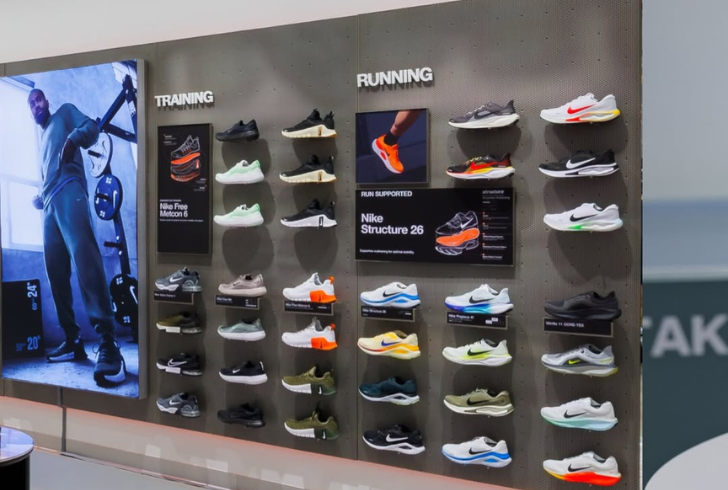
Instagram | @riseindia | Nike is targeting high-margin segments like North American wholesale and running to fuel a broader global turnaround.
Hill’s priorities remain centered on strengthening product development, improving relationships with wholesale partners, and aligning Nike’s offerings more closely with customer demand. By focusing on North America, wholesale channels, and running, the company is targeting its most profitable areas first while gradually addressing weaker performance in China.
The strategy is beginning to gain traction, with Hill aiming to show tangible progress to investors. The reinstatement of annual forecasts, renewed attention on China, and upcoming product launches reflect a more structured recovery effort. Analysts see the upcoming investor day as an important milestone for showcasing innovation.
Industry analysts note that meaningful results will take time, especially with Hill still early in his tenure. Still, the focus on core categories and innovation suggests a foundation for future improvement.
Analysts and investors will be watching the fall investor day closely, looking for clearer direction on earnings growth, with new products and operational improvements offering cautious optimism.