What Is ‘Nonnamaxxing’ and Why Is Everyone Talking About It?
A quiet lifestyle trend rooted in everyday Italian habits is gaining attention for a reason. “Nonnamaxxing,” inspired by the routines of Italian grandmothers, centers on simple choices that support long-term health and emotional balance. This approach isn’t about strict rules or viral hacks—it reflects a way of living that values movement, connection, and self-respect.
Italy continues to report one of the highest life expectancies in the European Union, and regions like Sardinia are known for a growing number of centenarians. That reality has sparked curiosity about what daily life looks like for the country’s older generations—and why it works.
A Fresh Take on Aging
Italian grandmothers present aging as something visible, not hidden. At beaches and public pools, older women confidently wear what they like, including bikinis. This reflects a cultural outlook that treats aging as a natural process rather than something to resist.
Licia Fertz, a 96-year-old nonna from Viterbo, shares a mindset that reflects this approach:
“Never think of yourself as old. You are born young.”
This perspective carries weight beyond appearance. Research shows that people with a positive attitude toward aging tend to age more slowly. Studies also suggest that how women perceive aging can influence their biological aging process.
Psychologist Sonja Lyubomirsky explains it clearly:
“It certainly matters very much what our mindset is when we think about ageing. Is it a gift? Is it about wisdom, maturity, and the richness of life, or is it about deterioration and loss? Both can be true. But you can choose.”
Staying Active Through Movement
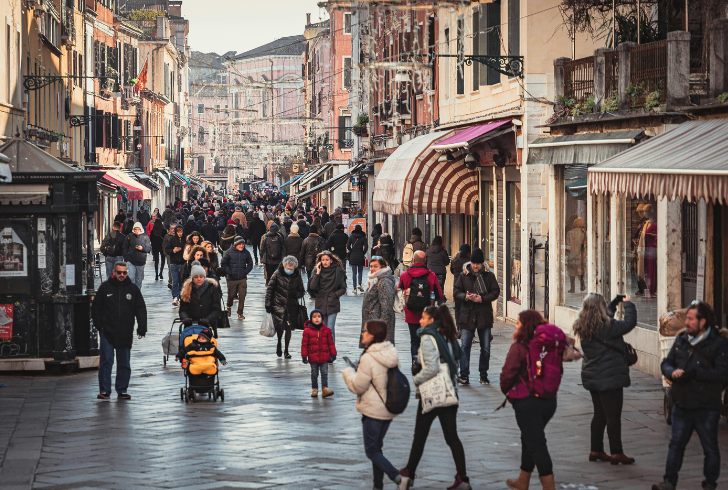
Freepik | By prioritizing foot traffic over cars, Italy integrates vital, age-defying exercise into daily life.
Movement plays a central role in daily Italian life, especially in cities designed for walking. Narrow streets, limited parking, and higher fuel costs make walking the default mode of transport rather than a planned workout.
Daniel Lieberman, a professor of Human Evolutionary Biology at Harvard University, highlights its importance:
“Walking is the most fundamental form of human physical activity and many, many hundreds of studies confirm that walking helps people age slower and better.”
Paola Mariotti, a pediatrician and grandmother based in Florence, tracks her steps daily. She aims for at least 5,000 steps, with a goal of reaching 10,000 whenever possible. Research published in the American Journal of Preventive Medicine in 2025 found that even 15 minutes of brisk walking per day can lower the risk of early death.
Purpose Through Care and Contribution
Italian grandmothers are deeply involved in family life. Many actively care for grandchildren—helping with school, daily routines, and emotional support. This involvement goes beyond tradition; it also benefits health.
Studies show that older adults who engage in caregiving often perform better in memory and language tests. Activities like helping with homework or spending time with younger family members stimulate cognitive function.
Fertz describes the emotional impact simply:
“Every day spent with my great-granddaughter is a gift that never ceases to amaze me.”
Even outside family roles, helping others matters. Research in the American Journal of Preventive Medicine reports that people who volunteer over 100 hours per year experience lower mortality risk and stronger feelings of purpose.
Mindful Living Over Constant Activity
Daily life in Italy includes intentional pauses. A simple coffee break often involves sitting, observing, and enjoying the moment—without screens or distractions. This reflects a cultural value known as dolce far niente, or the sweetness of doing nothing.
Psychotherapist Jonathan Alpert notes that the rise of nonnamaxxing connects to a broader shift:
“The appeal here is the fantasy of a life that feels grounded, warm, and unhurried. A lot of younger people are burned out by the pressure to constantly optimise themselves.”
Multitasking, often seen as productive, tends to increase stress and reduce efficiency. On the other hand, staying present has been linked to better emotional resilience and healthier aging.
Eating With the Seasons
Italian diets focus heavily on seasonal ingredients. Local markets often guide shoppers with charts showing which fruits and vegetables are at their peak each month. This naturally limits processed foods and encourages fresh cooking.
Antonino De Lorenzo, professor emeritus of human nutrition at the University of Rome Tor Vergata, explains the impact:
“Freshness, variety, ripeness, and preparation methods can all exert a significant influence on a food’s nutritional profile.”
The Mediterranean diet—rich in olive oil, vegetables, legumes, whole grains, and fruits—remains a consistent part of this lifestyle. Studies link this way of eating to lower rates of chronic disease and better cognitive health over time.
Strong Social Connections Matter
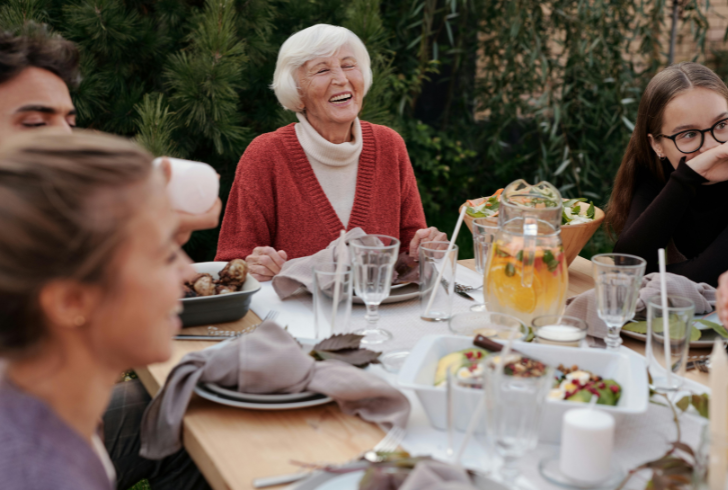
Pexels | Askar Abayev | Italian culture thrives on deep community bonds, proving that staying connected is essential for aging well.
Community ties remain a constant in Italian culture. Grandmothers often maintain close relationships with neighbors, friends, and family. Social interaction is not treated as optional—it is part of daily life.
Fertz highlights its importance:
“The most important thing for living a long and happy life? Don’t isolate yourself. Always stay in touch with people, travel, plan outings, and get out of the house.”
Research in The American Journal of Geriatric Psychiatry supports this view. A strong sense of purpose and connection can help maintain cognitive function and reduce the risk of depression and loneliness.
Self-Care Through Daily Rituals
Italian grandmothers often take time to present themselves well, regardless of their plans for the day. This habit reflects self-respect rather than vanity.
Fertz explains her routine:
“I put on my makeup and dress in cheerful colours, even if I’m not leaving the house, because presenting yourself well is an act of self-love.”
This simple practice reinforces a positive mindset and helps maintain emotional well-being.
Nonnamaxxing highlights habits that feel ordinary but carry long-term benefits. Walking regularly, staying socially active, eating fresh food, and maintaining a positive outlook all contribute to healthier aging.
These choices do not require expensive tools or strict routines. Instead, they rely on consistency and intention. The lifestyle followed by Italian grandmothers shows that longevity often comes from steady, thoughtful habits rather than dramatic changes.